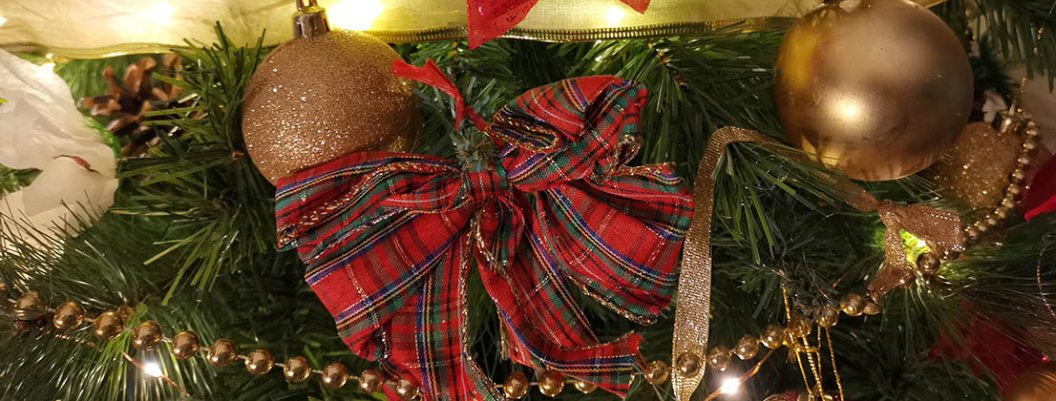
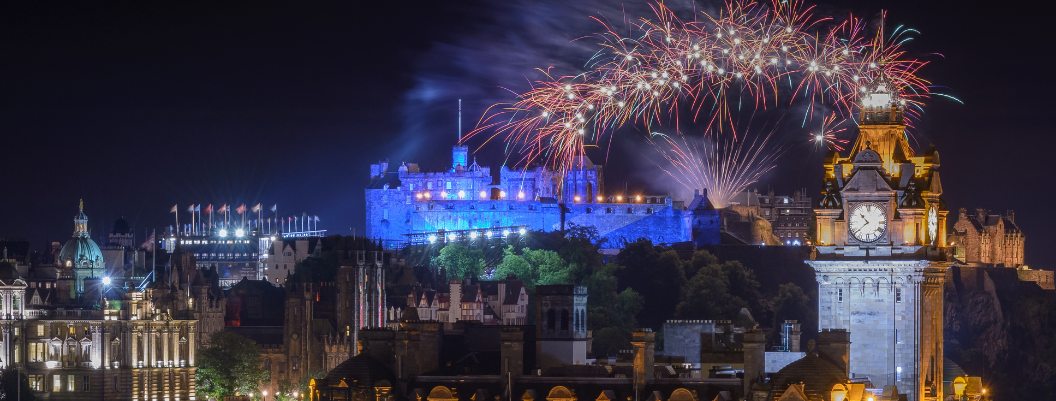


 © International Clan MacFarlane Society • Red Rubber Media/Diana MacFarlane
  © International Clan MacFarlane Society, Inc. - Royal Publishing, Inc.
  https://www.macfarlane.org/wp-content/uploads/2024/12/The-Banning-Of-Christmas-In-Scotland.jpg
563
1000
Diana MacFarlane
https://www.macfarlane.org/wp-content/uploads/2017/06/header-logo-6.png
Diana MacFarlane2024-12-17 19:08:402024-12-17 19:08:40The Banning of Christmas in Scotland
https://www.macfarlane.org/wp-content/uploads/2024/12/The-Banning-Of-Christmas-In-Scotland.jpg
563
1000
Diana MacFarlane
https://www.macfarlane.org/wp-content/uploads/2017/06/header-logo-6.png
Diana MacFarlane2024-12-17 19:08:402024-12-17 19:08:40The Banning of Christmas in ScotlandThe Banning of Christmas in Scotland
History & Heritage
The Banning of Christmas in Scotland
Unwrapping the Past

TL;DR
The banning of Christmas in Scotland began with the Protestant Reformation in 1560, as the Church of Scotland opposed its Catholic and pagan associations. By 1640, celebrating Christmas was made illegal, and Oliver Cromwell’s influence further reinforced its suppression. Instead, Scots celebrated Hogmanay, their New Year’s Eve tradition, which grew in prominence during this period. Christmas remained banned and largely ignored for centuries until it was officially recognized as a public holiday in 1958. Today, the history of the ban adds richness to Scotland’s unique holiday traditions, where both Christmas and Hogmanay hold special places.

A Forgotten Celebration: The History of Christmas in Scotland
The holiday season in Scotland is a time of joy, merriment, and celebration. The twinkling lights, decorated Christmas trees, and warmth of family gatherings are hallmarks of a season deeply cherished across the country. However, history reveals a curious and surprising chapter when Christmas was not a time of festivity but a period marked by prohibition and disapproval. For centuries, the banning of Christmas in Scotland was shaped by religious and political upheavals that cast a long shadow over this beloved holiday.
Read about the fascinating history of the banning of Christmas in Scotland, exploring the cultural and historical circumstances that led to this unusual period, the lingering effects on Scottish traditions, and how the holiday eventually regained its rightful place in the calendar of celebrations.
The Pre-Reformation Christmas Feast
Before the Reformation of 1560, Christmas in Scotland was a significant religious occasion, centered around the Catholic Church. Known as “Yule,” the celebrations were deeply rooted in Christian liturgical practices, but they also carried traces of older pagan traditions that predated Christianity’s arrival in Scotland. The festive season involved church services, communal feasts, and the exchange of goodwill. Homes were filled with the aroma of Yule bread and other festive dishes, while families came together to mark the occasion with joy and reverence.
Paganism played a significant role in shaping many of the traditions that eventually became part of Scottish Christmas celebrations. Long before the spread of Christianity, ancient Scots celebrated the winter solstice, marking the shortest day of the year with feasting, bonfires, and rituals to honour the rebirth of the sun. Evergreen plants like holly, ivy, and mistletoe, which were used in these pagan ceremonies as symbols of life and renewal, became central decorations for later Christmas festivities. Similarly, the practice of giving gifts and lighting candles to ward off winter’s darkness can be traced back to these early solstice rituals.
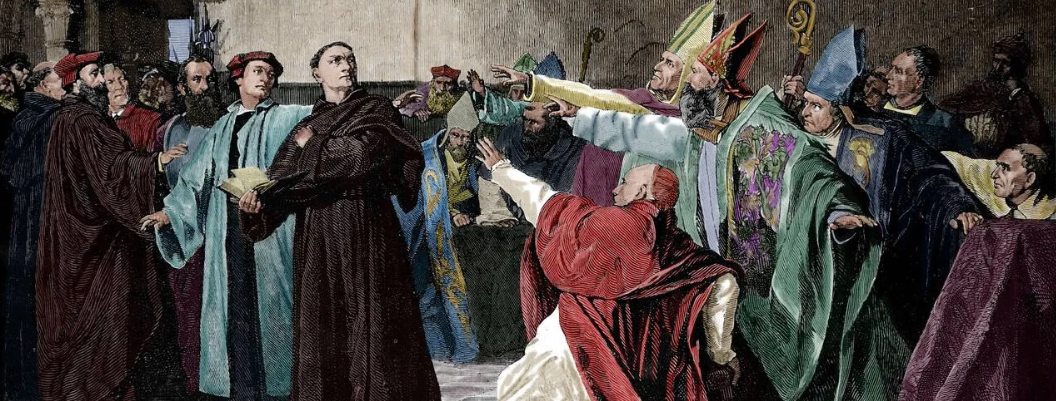
However, this harmonious celebration of pagan and Christian customs would soon face dramatic changes. The Protestant Reformation, spearheaded by figures like MacFarlane clansman John Knox, transformed Scotland’s religious landscape. The rise of Presbyterianism and the influence of the strict doctrines of the Church of Scotland began to reshape societal norms, casting suspicion on any practices linked to Roman Catholicism or older pagan traditions. Christmas, with its blend of Christian and pagan elements, was viewed as a symbol of excess and idolatry—two qualities the Church of Scotland (or Kirk) vehemently opposed. This marked the beginning of the banning of Christmas in Scotland.
The Kirk’s Frown and the Law of 1640
The Kirk’s disapproval of Christmas celebrations gained momentum throughout the 16th and 17th centuries. By 1640, the tide had turned decisively against Christmas. That year, the Scottish Parliament, heavily influenced by the Church of Scotland’s puritanical stance, passed an act declaring the celebration of “Yule vacations” illegal. The law went so far as to criminalize the baking of traditional Yule bread, reflecting the extent to which Christmas customs were suppressed. This marked one of the clearest points in the banning of Christmas in Scotland.
This was a time of great religious and political turbulence, as the Covenanters sought to establish a Presbyterian form of worship across Scotland and beyond. They viewed Christmas as an unwelcome relic of Catholicism and sought to align Scotland’s religious practices with their austere principles. Public gatherings, festive feasts, and any display of Christmas cheer were not just discouraged—they were actively punished. Even the remnants of pagan-inspired customs that lingered in Christmas celebrations, such as decorating homes with evergreens, were seen as unacceptable.
Adding to this suppression was the involvement of Oliver Cromwell, the Lord Protector of England, Scotland, and Ireland, who shared the Puritans’ distaste for Christmas celebrations. Following the English Civil War, Cromwell and his government officially banned Christmas in England in 1647, viewing it as wasteful, frivolous, and contrary to true Christian values. Cromwell’s influence extended into Scotland during this period of union and military occupation. The Puritan ethos further reinforced the Kirk’s existing opposition to Christmas, ensuring that the holiday remained outlawed and largely forgotten across Scotland throughout the mid-17th century.
Post-Restoration Challenges
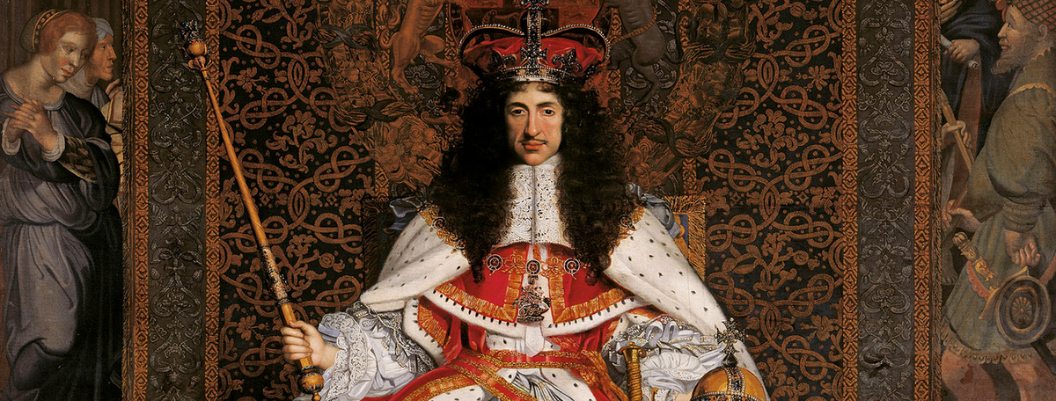
The Restoration of King Charles II in 1660 marked the return of monarchy after the English Civil War and a shift in religious policies across the British Isles. In England, Christmas celebrations began to revive under the king’s influence, but Scotland’s story was different. The Kirk retained significant power in Scotland, and its antipathy toward Christmas lingered long after the Restoration. For many years, the banning of Christmas in Scotland remained the status quo.
For ordinary Scots, celebrating Christmas was fraught with social and legal risks. Public observance of the holiday remained rare, and even private gatherings were conducted with caution. For generations, Christmas in Scotland was overshadowed by this history of repression, leaving it a subdued and largely forgotten occasion.
The Rise of Hogmanay
While Christmas celebrations were suppressed, Scotland’s focus shifted to another important date on the calendar: Hogmanay, the Scottish New Year’s Eve. Unlike Christmas, Hogmanay was free from religious controversy, allowing it to flourish as the primary winter celebration. Unique customs such as first-footing—where the first dark-headed stranger to enter a household after midnight brings good fortune—became deeply ingrained in Scottish culture. Other traditions, including the singing of “Auld Lang Syne,” the lighting of bonfires, and community feasts, made Hogmanay a vibrant and essential part of Scotland’s holiday season.
Hogmanay filled the void left by the banning of Christmas in Scotland, offering Scots an opportunity to gather, celebrate, and maintain a sense of tradition and festivity despite the restrictions imposed by the Kirk. The emphasis on welcoming the New Year with hope and joy became a hallmark of Scottish identity and remains a cherished celebration to this day.
The Long Road to Recognition
It is hard to believe that it wasn’t until the 20th century that Christmas began to regain its place in Scotland’s public and cultural life. A pivotal moment came in 1958 when Christmas Day was finally recognized as a public holiday in Scotland. This official acknowledgment marked the end of centuries of ambivalence and suppression, signaling a cultural shift that would allow Scots to embrace Christmas fully.
The recognition of Christmas as a public holiday brought about a revival of traditional customs and new influences from across the world. Families began decorating Christmas trees, exchanging gifts, and sharing festive meals. Many of these practices have roots in ancient pagan traditions that were carried forward and adapted into modern celebrations. For example, the use of evergreens, candles, and festive feasts continues to echo the rituals of Scotland’s pre-Christian ancestors.
Conclusion
The history of the banning of Christmas in Scotland is a story of transformation. From its early days as a religious feast to its suppression under the Kirk, and finally to its modern-day resurgence, Christmas has weathered centuries of change. This journey highlights the complex interplay between religious convictions, political dynamics, and cultural shifts that have shaped Scotland’s festive traditions.
Today, Christmas in Scotland is a time of joy and togetherness, enriched by the unique history that sets it apart from other holiday traditions. And while Hogmanay continues to hold a special place in Scottish hearts, the story of the banning of Christmas in Scotland adds depth and richness to the country’s festive season.
 How Glen Ellen Got Its Name: The Scottish Roots Hidden in...July 7, 2026 - 5:37 pm
- Clan MacFarlane 2026 Annual World GatheringApril 27, 2026 - 9:00 am
- Clan MacFarlane Named Honoured Clan at the 2025 Wisconsin...August 26, 2025 - 9:53 am
- Meet Commissioner To Tennessee Sara MacfarlaneAugust 18, 2025 - 8:46 pm
- Meet Commissioner To Tennessee Bowen PartonJune 3, 2025 - 7:59 pm
- 2019 AGM & TOUR OF MACFARLANE HOMELANDSJanuary 22, 2019 - 10:00 am
- Commissioners! Let Us Know What You’d Like To See...October 5, 2018 - 1:51 pm
- Coos For Your Tent!March 6, 2019 - 8:46 am
- Changing Social Media Post PolicyMarch 15, 2019 - 11:40 am
- Meet New Clan MacFarlane Executive Director Diana MacFa...June 10, 2023 - 2:56 pm
 Hi. My son is interested in his a Clan heritage and would...April 28, 2026 - 6:37 am by Marisa Moazen
- Sara.
Missed seeing you, looking forward to seeing you...April 11, 2026 - 9:46 am by Megan Webster
- Hi Jody! Can't wait to meet you - will you be at Middle...August 29, 2025 - 7:20 am by SARA MACFARLANE
- Hi - fellow Tennessean here also in East TNAugust 22, 2025 - 1:20 pm by Jody Zorsch
- Excellent prose!November 16, 2023 - 1:34 pm by Kendall T. Rogers II
AGM
Alba
Ancestry
Arrochar
Bagpipe Bands
bagpipes
books
Caber Toss
Celtic Music
Clan History
Clan MacFarlane
Clan MacFarlane History
Clan Parade
Clans
Clan Tent
Commissioners
Culture
Gaelic language
Gatherings
Genealogy
Genealogy Research
Haggis
Heavy Athletics
Heritage
Highland Dance
Highland Games
History.
Hospitality Tent
ICMS
International Clan MacFarlane Society
Kilt
kilts
Loch Lomond
Loch Sloy
News
Scotland
Scots
Scottish
Scottish Country Dance
Scottish Fare
Scottish Festival
Scottish history
Scottish Merchandise
Single Malt
Tarbet
tartan
the Caber Toss
The Scottish Banner
The Sheaf Toss
Whisky
Latest Merchandise
-
Clan MacFarlane 50th World Gathering & AGM Limited Edition Commemorative T-shirt
$30.00
-
© International Clan MacFarlane Society • Red Rubber Media/Diana MacFarlane MacFarlane Cattle Company Soft Enamel Pin
$12.00
-
© International Clan MacFarlane Society, Inc. - Royal Publishing, Inc. International Clan Macfarlane Society - Trifold Color Brochures (250)
$0.00
Upcoming Gatherings
Our next gathering starts in…

New Hampshire Highland Games & Festival | Clan MacFarlane Hospitality Tent | Loon Mountain, New Hampshire • USA

Scots-Irish Festival | Clan MacFarlane Hospitality Tent | Dandridge, Tennessee • USA

Scotland County Highland Games | Clan MacFarlane Hospitality Tent | Laurinburg, North Carolina • USA

McMinnville Scottish Festival | Clan MacFarlane Hospitality Tent | McMinnville, Oregon • USA
 © MacFarlane.org
New York Tartan Day Parade | Clan MacFarlane Marching Contingent | New York, NY USA
History
The Banning of Christmas in Scotland
Unwrapping the Past
TL;DR
The banning of Christmas in Scotland began with the Protestant Reformation in 1560, as the Church of Scotland opposed its Catholic and pagan associations. By 1640, celebrating Christmas was made illegal, and Oliver Cromwell’s influence further reinforced its suppression. Instead, Scots celebrated Hogmanay, their New Year’s Eve tradition, which grew in prominence during this period. Christmas remained banned and largely ignored for centuries until it was officially recognized as a public holiday in 1958. Today, the history of the ban adds richness to Scotland’s unique holiday traditions, where both Christmas and Hogmanay hold special places.
A Forgotten Celebration: The History of Christmas in Scotland
The holiday season in Scotland is a time of joy, merriment, and celebration. The twinkling lights, decorated Christmas trees, and warmth of family gatherings are hallmarks of a season deeply cherished across the country. However, history reveals a curious and surprising chapter when Christmas was not a time of festivity but a period marked by prohibition and disapproval. For centuries, the banning of Christmas in Scotland was shaped by religious and political upheavals that cast a long shadow over this beloved holiday.
Read about the fascinating history of the banning of Christmas in Scotland, exploring the cultural and historical circumstances that led to this unusual period, the lingering effects on Scottish traditions, and how the holiday eventually regained its rightful place in the calendar of celebrations.
The Pre-Reformation Christmas Feast
Before the Reformation of 1560, Christmas in Scotland was a significant religious occasion, centered around the Catholic Church. Known as “Yule,” the celebrations were deeply rooted in Christian liturgical practices, but they also carried traces of older pagan traditions that predated Christianity’s arrival in Scotland. The festive season involved church services, communal feasts, and the exchange of goodwill. Homes were filled with the aroma of Yule bread and other festive dishes, while families came together to mark the occasion with joy and reverence.
Paganism played a significant role in shaping many of the traditions that eventually became part of Scottish Christmas celebrations. Long before the spread of Christianity, ancient Scots celebrated the winter solstice, marking the shortest day of the year with feasting, bonfires, and rituals to honour the rebirth of the sun. Evergreen plants like holly, ivy, and mistletoe, which were used in these pagan ceremonies as symbols of life and renewal, became central decorations for later Christmas festivities. Similarly, the practice of giving gifts and lighting candles to ward off winter’s darkness can be traced back to these early solstice rituals.
However, this harmonious celebration of pagan and Christian customs would soon face dramatic changes. The Protestant Reformation, spearheaded by figures like MacFarlane clansman John Knox, transformed Scotland’s religious landscape. The rise of Presbyterianism and the influence of the strict doctrines of the Church of Scotland began to reshape societal norms, casting suspicion on any practices linked to Roman Catholicism or older pagan traditions. Christmas, with its blend of Christian and pagan elements, was viewed as a symbol of excess and idolatry—two qualities the Church of Scotland (or Kirk) vehemently opposed. This marked the beginning of the banning of Christmas in Scotland.
The Kirk’s Frown and the Law of 1640
The Kirk’s disapproval of Christmas celebrations gained momentum throughout the 16th and 17th centuries. By 1640, the tide had turned decisively against Christmas. That year, the Scottish Parliament, heavily influenced by the Church of Scotland’s puritanical stance, passed an act declaring the celebration of “Yule vacations” illegal. The law went so far as to criminalize the baking of traditional Yule bread, reflecting the extent to which Christmas customs were suppressed. This marked one of the clearest points in the banning of Christmas in Scotland.
This was a time of great religious and political turbulence, as the Covenanters sought to establish a Presbyterian form of worship across Scotland and beyond. They viewed Christmas as an unwelcome relic of Catholicism and sought to align Scotland’s religious practices with their austere principles. Public gatherings, festive feasts, and any display of Christmas cheer were not just discouraged—they were actively punished. Even the remnants of pagan-inspired customs that lingered in Christmas celebrations, such as decorating homes with evergreens, were seen as unacceptable.
Adding to this suppression was the involvement of Oliver Cromwell, the Lord Protector of England, Scotland, and Ireland, who shared the Puritans’ distaste for Christmas celebrations. Following the English Civil War, Cromwell and his government officially banned Christmas in England in 1647, viewing it as wasteful, frivolous, and contrary to true Christian values. Cromwell’s influence extended into Scotland during this period of union and military occupation. The Puritan ethos further reinforced the Kirk’s existing opposition to Christmas, ensuring that the holiday remained outlawed and largely forgotten across Scotland throughout the mid-17th century.
Post-Restoration Challenges
The Restoration of King Charles II in 1660 marked the return of monarchy after the English Civil War and a shift in religious policies across the British Isles. In England, Christmas celebrations began to revive under the king’s influence, but Scotland’s story was different. The Kirk retained significant power in Scotland, and its antipathy toward Christmas lingered long after the Restoration. For many years, the banning of Christmas in Scotland remained the status quo.
For ordinary Scots, celebrating Christmas was fraught with social and legal risks. Public observance of the holiday remained rare, and even private gatherings were conducted with caution. For generations, Christmas in Scotland was overshadowed by this history of repression, leaving it a subdued and largely forgotten occasion.
The Rise of Hogmanay
While Christmas celebrations were suppressed, Scotland’s focus shifted to another important date on the calendar: Hogmanay, the Scottish New Year’s Eve. Unlike Christmas, Hogmanay was free from religious controversy, allowing it to flourish as the primary winter celebration. Unique customs such as first-footing—where the first dark-headed stranger to enter a household after midnight brings good fortune—became deeply ingrained in Scottish culture. Other traditions, including the singing of “Auld Lang Syne,” the lighting of bonfires, and community feasts, made Hogmanay a vibrant and essential part of Scotland’s holiday season.
Hogmanay filled the void left by the banning of Christmas in Scotland, offering Scots an opportunity to gather, celebrate, and maintain a sense of tradition and festivity despite the restrictions imposed by the Kirk. The emphasis on welcoming the New Year with hope and joy became a hallmark of Scottish identity and remains a cherished celebration to this day.
The Long Road to Recognition
It is hard to believe that it wasn’t until the 20th century that Christmas began to regain its place in Scotland’s public and cultural life. A pivotal moment came in 1958 when Christmas Day was finally recognized as a public holiday in Scotland. This official acknowledgment marked the end of centuries of ambivalence and suppression, signaling a cultural shift that would allow Scots to embrace Christmas fully.
The recognition of Christmas as a public holiday brought about a revival of traditional customs and new influences from across the world. Families began decorating Christmas trees, exchanging gifts, and sharing festive meals. Many of these practices have roots in ancient pagan traditions that were carried forward and adapted into modern celebrations. For example, the use of evergreens, candles, and festive feasts continues to echo the rituals of Scotland’s pre-Christian ancestors.
Conclusion
The history of the banning of Christmas in Scotland is a story of transformation. From its early days as a religious feast to its suppression under the Kirk, and finally to its modern-day resurgence, Christmas has weathered centuries of change. This journey highlights the complex interplay between religious convictions, political dynamics, and cultural shifts that have shaped Scotland’s festive traditions.
Today, Christmas in Scotland is a time of joy and togetherness, enriched by the unique history that sets it apart from other holiday traditions. And while Hogmanay continues to hold a special place in Scottish hearts, the story of the banning of Christmas in Scotland adds depth and richness to the country’s festive season.
Leave a Reply
Want to join the discussion?Feel free to contribute!
Leave a Reply
You must be logged in to post a comment.
- How Glen Ellen Got Its Name: The Scottish Roots Hidden in...July 7, 2026 - 5:37 pm
- Clan MacFarlane 2026 Annual World GatheringApril 27, 2026 - 9:00 am
- Clan MacFarlane Named Honoured Clan at the 2025 Wisconsin...August 26, 2025 - 9:53 am
- Meet Commissioner To Tennessee Sara MacfarlaneAugust 18, 2025 - 8:46 pm
- Meet Commissioner To Tennessee Bowen PartonJune 3, 2025 - 7:59 pm
- 2019 AGM & TOUR OF MACFARLANE HOMELANDSJanuary 22, 2019 - 10:00 am
- Commissioners! Let Us Know What You’d Like To See...October 5, 2018 - 1:51 pm
- Coos For Your Tent!March 6, 2019 - 8:46 am
- Changing Social Media Post PolicyMarch 15, 2019 - 11:40 am
- Meet New Clan MacFarlane Executive Director Diana MacFa...June 10, 2023 - 2:56 pm
- Hi. My son is interested in his a Clan heritage and would...April 28, 2026 - 6:37 am by Marisa Moazen
- Sara.
Missed seeing you, looking forward to seeing you...April 11, 2026 - 9:46 am by Megan Webster
- Hi Jody! Can't wait to meet you - will you be at Middle...August 29, 2025 - 7:20 am by SARA MACFARLANE
- Hi - fellow Tennessean here also in East TNAugust 22, 2025 - 1:20 pm by Jody Zorsch
- Excellent prose!November 16, 2023 - 1:34 pm by Kendall T. Rogers II
AGM
Alba
Ancestry
Arrochar
Bagpipe Bands
bagpipes
books
Caber Toss
Celtic Music
Clan History
Clan MacFarlane
Clan MacFarlane History
Clan Parade
Clans
Clan Tent
Commissioners
Culture
Gaelic language
Gatherings
Genealogy
Genealogy Research
Haggis
Heavy Athletics
Heritage
Highland Dance
Highland Games
History.
Hospitality Tent
ICMS
International Clan MacFarlane Society
Kilt
kilts
Loch Lomond
Loch Sloy
News
Scotland
Scots
Scottish
Scottish Country Dance
Scottish Fare
Scottish Festival
Scottish history
Scottish Merchandise
Single Malt
Tarbet
tartan
the Caber Toss
The Scottish Banner
The Sheaf Toss
Whisky
Latest Merchandise
-
Clan MacFarlane 50th World Gathering & AGM Limited Edition Commemorative T-shirt
$30.00
-
© International Clan MacFarlane Society • Red Rubber Media/Diana MacFarlane MacFarlane Cattle Company Soft Enamel Pin
$12.00
-
© International Clan MacFarlane Society, Inc. - Royal Publishing, Inc. International Clan Macfarlane Society - Trifold Color Brochures (250)
$0.00
Upcoming Gatherings
Our next gathering starts in…
Related Posts
https://www.macfarlane.org/wp-content/uploads/2024/12/The-Banning-Of-Christmas-In-Scotland.jpg
563
1000
Diana MacFarlane
https://www.macfarlane.org/wp-content/uploads/2017/06/header-logo-6.png
Diana MacFarlane2024-12-17 19:08:402024-12-17 19:08:40The Banning of Christmas in Scotland https://www.macfarlane.org/wp-content/uploads/2024/02/robert-burns-and-frederick-douglass.jpg
563
1000
Diana MacFarlane
https://www.macfarlane.org/wp-content/uploads/2017/06/header-logo-6.png
Diana MacFarlane2024-02-10 15:19:332024-02-10 17:55:15From Ayrshire to Abolition: Robert Burns and Frederick Douglass
https://www.macfarlane.org/wp-content/uploads/2024/02/robert-burns-and-frederick-douglass.jpg
563
1000
Diana MacFarlane
https://www.macfarlane.org/wp-content/uploads/2017/06/header-logo-6.png
Diana MacFarlane2024-02-10 15:19:332024-02-10 17:55:15From Ayrshire to Abolition: Robert Burns and Frederick Douglass https://www.macfarlane.org/wp-content/uploads/2022/10/Halloween-turnips.jpg
489
900
Michael MacFarlane, FSA Scot
https://www.macfarlane.org/wp-content/uploads/2017/06/header-logo-6.png
Michael MacFarlane, FSA Scot2023-10-26 08:00:412023-10-27 11:57:03Samhain And The Origin Of The Jack O’ Lantern
https://www.macfarlane.org/wp-content/uploads/2022/10/Halloween-turnips.jpg
489
900
Michael MacFarlane, FSA Scot
https://www.macfarlane.org/wp-content/uploads/2017/06/header-logo-6.png
Michael MacFarlane, FSA Scot2023-10-26 08:00:412023-10-27 11:57:03Samhain And The Origin Of The Jack O’ Lantern https://www.macfarlane.org/wp-content/uploads/2023/10/gravestone.jpg
1000
750
Diana MacFarlane
https://www.macfarlane.org/wp-content/uploads/2017/06/header-logo-6.png
Diana MacFarlane2023-10-22 13:09:572023-10-22 13:13:13MacFarlane: A Poem by Rebecca Lever
https://www.macfarlane.org/wp-content/uploads/2023/10/gravestone.jpg
1000
750
Diana MacFarlane
https://www.macfarlane.org/wp-content/uploads/2017/06/header-logo-6.png
Diana MacFarlane2023-10-22 13:09:572023-10-22 13:13:13MacFarlane: A Poem by Rebecca Lever
ARTICLES & FEATURES
- How Glen Ellen Got Its Name: The Scottish Roots Hidden in California Wine CountryJuly 7, 2026 - 5:37 pm
- Clan MacFarlane Named Honoured Clan at the 2025 Wisconsin Highland GamesAugust 26, 2025 - 9:53 am
- Meet Commissioner To Tennessee Sara MacfarlaneAugust 18, 2025 - 8:46 pm
LATEST NEWS
- Clan MacFarlane 2026 Annual World GatheringApril 27, 2026 - 9:00 am
- Clan MacFarlane 2025 Annual World GatheringFebruary 10, 2025 - 7:52 pm
- The Scottish Banner | January 2024November 27, 2024 - 11:40 am


GEAR UP TO SUPPORT THE CLAN!
-
Clan MacFarlane 50th World Gathering & AGM Limited Edition Commemorative T-shirt
$30.00
-
© International Clan MacFarlane Society • Red Rubber Media/Diana MacFarlane MacFarlane Cattle Company Soft Enamel Pin
$12.00
-
© International Clan MacFarlane Society, Inc. - Royal Publishing, Inc. International Clan Macfarlane Society - Trifold Color Brochures (250)
$0.00
-
© 2018 International Clan MacFarlane Society, Inc. - Royal Publishing, Inc. International Clan MacFarlane Society Business Cards
Price range: $41.00 through $65.00
-
© 2018 International Clan MacFarlane Society, Inc. - Royal Publishing, Inc. Clan MacFarlane Retractable Banners with Stands
$239.99
 © 2018 International Clan MacFarlane Society, Inc. - Royal Publishing, Inc.
  © 2018 International Clan MacFarlane Society, Inc. - Royal Publishing, Inc.
INTERNATIONAL
CLAN MACFARLANE SOCIETY, INC.
PO BOX 398
GLENDORA, CA 91740
info@macfarlane.org
The Clan MacFarlane Society, Inc., is an educational, secular, society formed to promote the perpetuation of Gaelic-Scottish culture, tradition, customs, literature, and music. It is incorporated as a non-profit organization under the U.S Internal Code 501 (c)(3). All Clan MacFarlane Society, Inc. - historical text, Macfarlanes' Lantern, archived information, and related society information © Clan MacFarlane Society, Inc. 1973-2022 are used with permission, all rights reserved.
Site is sponsored by Royal Publishing. All creative work protected by copyright. Duplication or use without permission is strictly prohibited.
© Royal Publishing, Inc.
© Royal Publishing, Inc.
Leave a Reply
Want to join the discussion?Feel free to contribute!